Shaping a Sustainable Future in Brick & Tiles Manufacturing
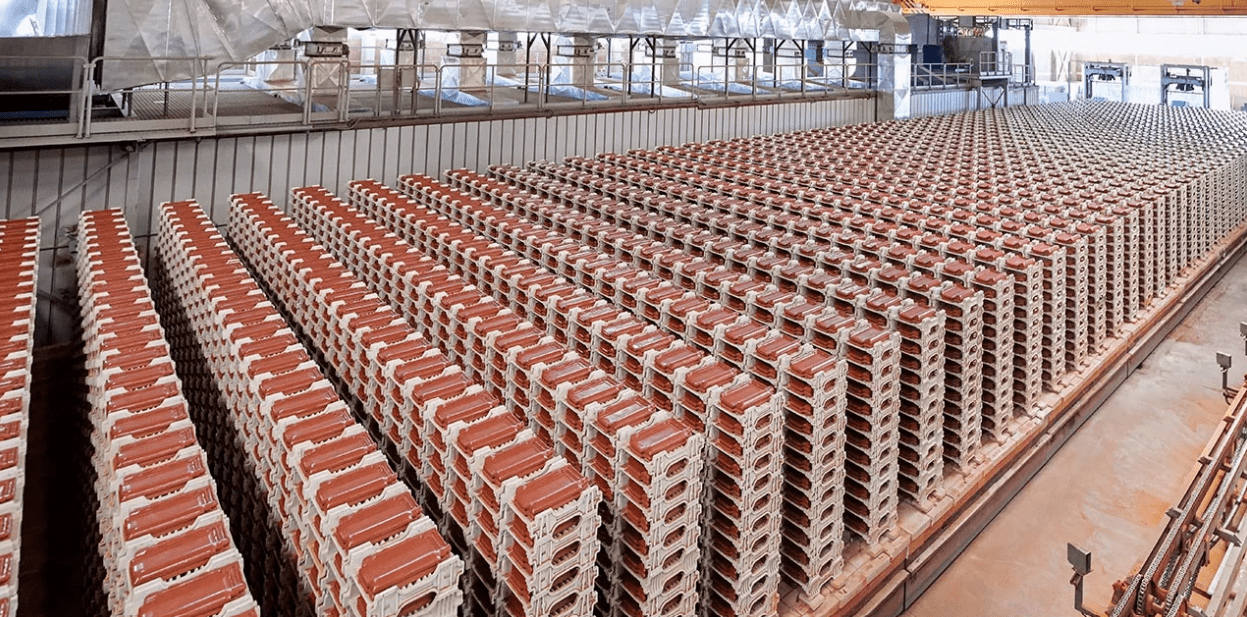
Decarbonizing Europe's largest brick factory in Nea Santa
-
Full-site energy & process integration study and roadmap
- Dryer retrofit with efficiency upgrade & heat pump integration
-
Production of 2.000 tons of clay blocks and 200.000 roof tiles per day
-
One of the biggest energy consumers in Greece, over 300 GWh per year
-
On site generation of renewable energy
A Partnership Forged in Innovation
KEBE’s ambition to drastically cut emissions at its flagship NEA SANTA site aligned seamlessly with CEE’s engineering philosophy: rethink industrial processes from the product outward. During an industry event, a deep-dive discussion between KEBE and CEE sparked a bold collaboration — one focused not on incremental gains, but transformative efficiency.
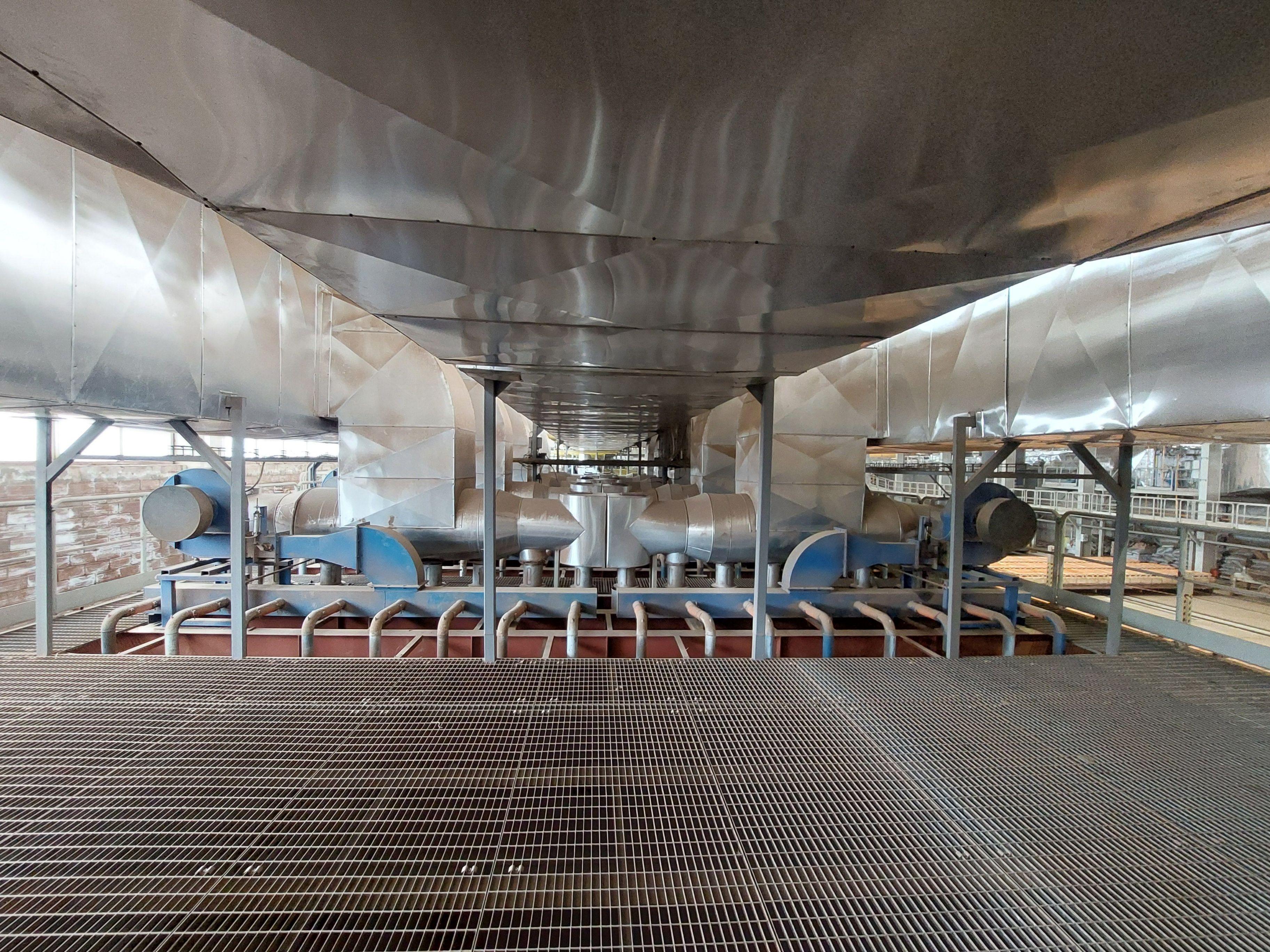
CEE brought in its experience from other building materials manufacturers such as Vandersanden and Etex to challenge every part of the process — from drying and sintering to site-wide energy flows. CEE has also implemented advanced solutions such as superheated steam drying in other sectors, where drying energy use can be reduced by up to 85%. For KEBE, however, the focus was on retrofitting the existing dryer and optimizing the drying process toward more humid operation to unlock significant efficiency gains.
This is not a one-off project, but the start of a decarbonization roadmap, co-developed with KEBE, to position the site as a European benchmark in sustainable building materials.
From Product to Energy: Full-Scope Decarbonization
The decarbonization roadmap goes beyond utilities: it starts at the material. By evaluating KEBE’s entire product process — forming, drying, sintering — CEE identifies deep opportunities for emission cuts. Integrated design ensures that energy is used where and when it’s needed, recovering waste heat across the line.
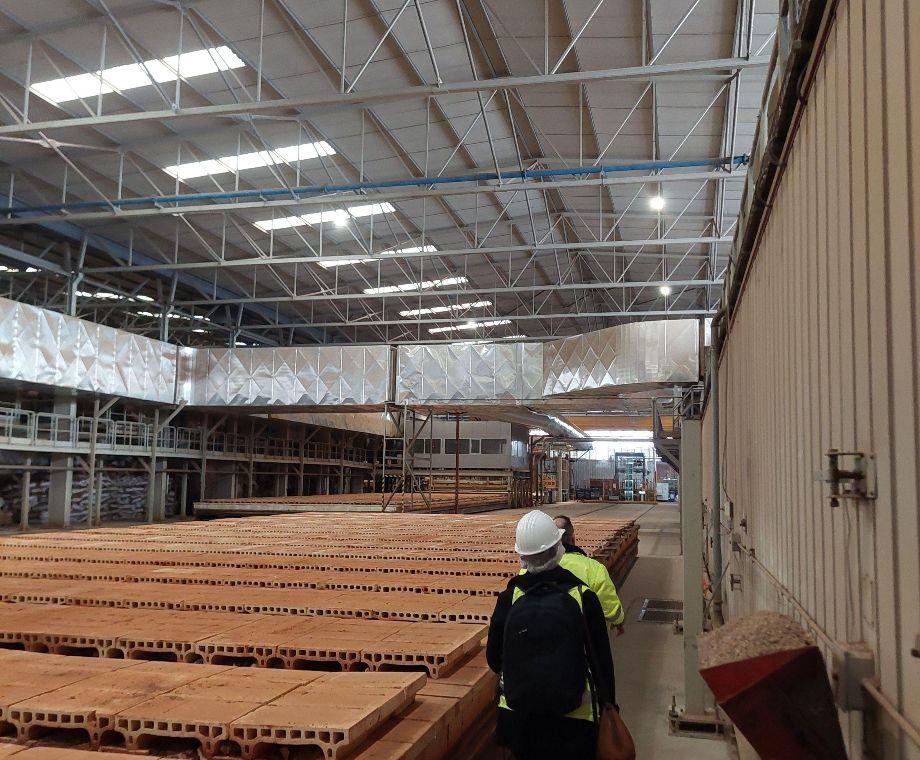
Kiln – dryer integration
In traditional brick production, kiln waste heat is reused for drying, often seen as “free” and efficient. But this overlooks inefficiencies in the kiln itself and blocks opportunities for electrification. CEE takes an integrated approach to drying and sintering, aiming to boost overall efficiency and enable electrified drying solutions. This shift can reduce final energy consumption by 45%, especially when superheated steam drying is applied, compared to only around 15% when the processes are optimized separately.
Process modelling
Using targeted measurements, CEE builds a full mass balance of the kiln–dryer system and visualises it as a Sankey diagram that exposes energy losses and hidden opportunities. The diagram, paired with pinch analysis, guides an integrated optimisation—seeking the lowest total energy demand for the combined process and fuelling insight‑rich discussions between CEE engineers and the customer team. This way of working combines a top-down and bottom-up approach to energy efficiency and process optimization.
A Vision, Engineered
The roadmap spans electrification, on-site renewable energy, and smart utilities. Key focus areas include:
- Dryer process optimization & integration of high-temperature heat pumps
- Integrated approach to optimize the kiln and and dryers for smart electrification
- Economic analysis of decarbonization alternatives like solar thermal and grid interaction
- Intelligent control systems
All backed by a quantified investment framework that guides implementation through the coming years.
About KEBE
KEBE is one of Europe’s leading manufacturers of ceramic construction materials, with operations centered in Greece and a growing presence across the continent. Known for its high-quality clay bricks and roof tiles, KEBE combines traditional materials with modern production technologies. The company’s NEA SANTA facility is Europe’s largest single-site brick factory, and a cornerstone of its drive toward sustainable construction solutions. By 2030, Kebe will have reduced its natural gas consumption by 30 %, net zero production will be achieved by 2050 (scope 1&2).
Ready to start your net-zero journey?